A permanent, odorless coffin
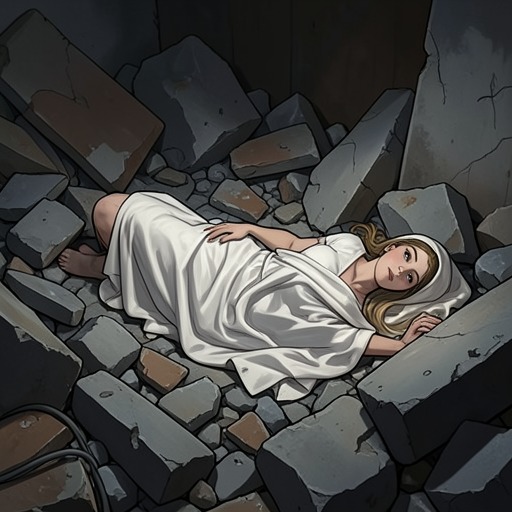
Rear WindowA permanent, odorless coffin is Hal Jeffries’s phrase for the concealed space he imagines Lars Thorwald made beneath a cement floor to hide Anna Thorwald’s body. The expression compresses the horror of Hal’s theory into a domestic object: what looks like ordinary flooring becomes a sealed container, designed to keep the death both hidden and undetected.
Meaning and Image
Hal calls the imagined hiding place “A permanent, odorless coffin.” The phrase joins two qualities that serve Thorwald’s presumed purpose: permanence suggests that the secret has been built into the apartment, while odorlessness suggests that it can remain concealed without betraying what lies beneath. The metaphor makes the floor more than a covering; in Hal’s account, it becomes a burial place disguised as part of the home.
The Floor as Concealment
In Hal’s reconstruction, Thorwald took advantage of freshly laid cement in an upstairs apartment. He supposedly cut a narrow trough, placed Anna’s body inside, and covered it with new cement, perhaps raising the floor by an inch or two. The cork composition laid over the cement the next day would have hidden the altered surface beneath a familiar finish. Hal further supposes that Thorwald used one of the workmen’s trowels, allowing the repair to blend into the ongoing construction.
Status and Narrative Effect
The phrase belongs to Hal’s explanation, not to an independently confirmed account of what happened. He explicitly presents his reconstruction as conjecture, including the proposed method of concealment. Within that uncertain account, the image gives a name to the central contradiction he sees: the apartment’s new floor appears to complete routine renovation, yet may also preserve the evidence of a death beneath it. The coffin is “permanent” as an image of concealment, not proof that the body could never be found.